Quick Bed Bug Exterminator Services Near You
Understanding the Science of Bed Bug Heat Treatment: A Thorough Overview
Heat treatment has emerged as a top solution for eradicating bed bugs. By raising temperatures to between 120°F and 140°F, this technique eliminates all developmental stages of the pest, including the notoriously resilient eggs. Compared to traditional chemical methods, heat treatment remains non-toxic while enhancing indoor air quality. Comprehending the nuances of this technique is vital for proper execution. What targeted preparations and oversight are required to ensure optimal outcomes? The answer lies in the details ahead.
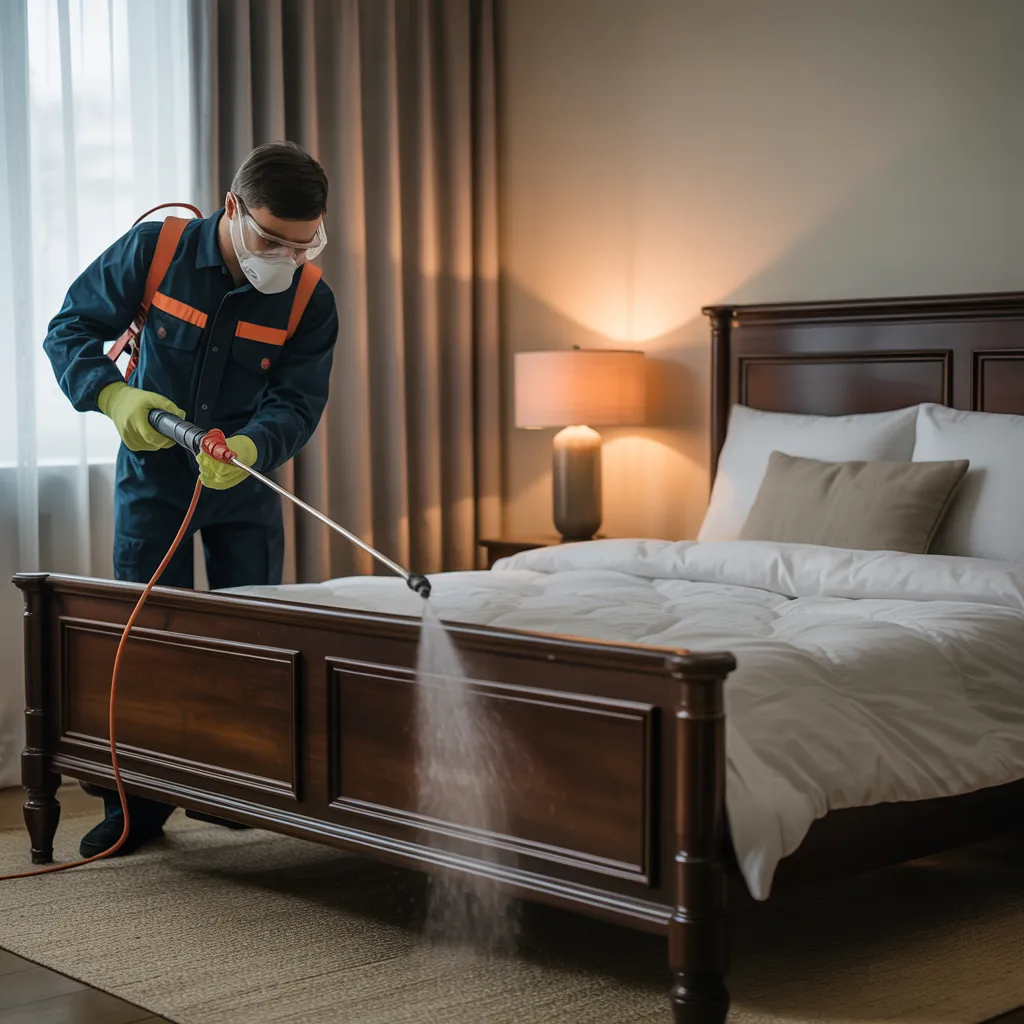
The Way Heat Treatment Effectively Removes Bed Bugs
Heat treatment serves as a highly effective approach for exterminating bed bugs by elevating the temperature within infested areas to levels lethal to these pests. Typically, temperatures between 120°F and 140°F are targeted, successfully eliminating bed bugs in all developmental phases, from larvae to fully grown adults. This technique reaches various materials, guaranteeing that concealed colonies within furniture, carpets, and crevices are effectively eliminated.
The procedure commonly employs purpose-built devices that create and move warm air through the infested environment, maintaining the required temperatures for a specific duration. In contrast to chemical-based methods, thermal treatment leaves no chemical residues behind, offering a more sanitary solution for residents. Furthermore, it reduces the likelihood of pest resistance developing, a rising problem linked to standard pesticide use. Therefore, heat-based treatment is progressively regarded as an effective answer for those dealing with bed bug issues. Its power comes from its capability to combat pests in a thorough and all-encompassing manner.
The Life Cycle of Bed Bugs: Key Stages and Implications for Treatment
Comprehending the life cycle of bed bugs is essential for effective pest management, as each stage presents unique challenges for treatment. Bed bugs undergo five developmental stages before achieving full maturity, each requiring a blood meal to progress. This need for blood consumption makes them targets for control measures, yet their robust constitution challenges eradication efforts.
The reproductive cycle commences with eggs, which are small, white, and laid in clusters. Upon hatching, nymphs emerge and can rapidly develop into adults within weeks under favorable conditions. Full-grown bed bugs can go for many months without a feeding, making it possible for them to persist in diverse surroundings.
Understanding the importance of these stages is vital; addressing both nymphs and adults at the same time maximizes the success of treatment efforts. Furthermore, their rapid reproduction rate means that even a small population can rapidly escalate, requiring immediate and comprehensive heat treatment approaches to hinder their progression and remove infestations completely.
What Temperature Is Needed to Eliminate Bed Bugs?
To properly get rid of bed bugs, it is crucial to recognize the heat levels needed to kill them. Studies show that temperatures between 118°F and 122°F can effectively kill these pests, but the length of time heat is applied also plays a significant role. Moreover, safety factors must be addressed to secure a thorough solution without harming surrounding areas or belongings.
Active Killing Temperature Spectrum
Achieving effective bed bug elimination requires precise temperature management. Studies show that bed bugs are sensitive to thermal exposure, with an effective killing temperature range between 118°F and 122°F (48°C to 50°C). At these temperatures, bed bug adults, nymphs, and eggs can be exterminated quickly. It is vital to maintain this temperature consistently throughout the infested areas to guarantee complete extermination. Temperatures above 122°F can hasten the extermination process, but vigilance is required to avoid compromising adjacent surfaces. Understanding the ideal temperature range is essential for professionals conducting heat treatments, as it critically affects the efficacy of the process. Reliable tracking equipment are often used to confirm that targeted temperatures are reached and sustained during the extermination procedure.
Length of Heat Exposure
Successful heat treatments for bed bugs rely not only on heat levels but also on the length of contact. Studies show that bed bugs and their eggs need sustained exposure to temperatures of at least 120°F (49°C) to guarantee effective eradication. A minimum duration of 90 minutes is commonly advised at this temperature to penetrate fabrics and locate hidden insects. Higher temperatures, around 135°F (57°C), can decrease the needed exposure time, often to about 30 minutes, but diligent monitoring is critical to avoid any inadvertent damage to the surrounding space. Achieving the right balance of temperature and duration is vital for maximizing the effectiveness of heat treatment in eliminating bed bug infestations.
Key Safety Considerations Regarding Treatment
Establishing the correct temperature for bed bug heat treatment is crucial for ensuring safety during the eradication process. Scientific evidence suggests that temperatures between 118°F (48°C) and 122°F (50°C) successfully eliminate bed bugs and their eggs within a few hours of exposure. Nonetheless, achieving these temperatures safely necessitates careful monitoring to prevent overheating, which can present dangers to structures and personal belongings. It is vital to utilize specialized equipment and skilled technicians to maintain consistent heat levels throughout the treatment area. In addition, safety precautions must be implemented to protect occupants and pets from risk of injury. Effective planning and execution can mitigate risks while guaranteeing effective bed bug elimination through heat treatment.
Reasons Why Bed Bug Heat Treatment Beats Chemical Alternatives
Heat treatment for bed bugs provides rapid results, effectively eliminating infestations in a single session. Compared to chemical methods, it creates a chemical-free environment that is more suitable for residents and animals. Moreover, heat treatment aids in preventing resistance, guaranteeing lasting results against bed bugs.
Rapid Results Obtained
Heat treatment swiftly eliminates bed bugs, providing immediate results that chemical treatments often cannot match. This technique increases the heat in infested zones to a fatal degree, successfully eliminating bed bugs across every life stage, including eggs. Unlike chemical solutions, which may require repeated applications and have variable effectiveness, heat treatment provides a single comprehensive solution that is finished within hours. Property owners frequently observe a dramatic decrease in bed bug presence right after the treatment, with a large number of people noting full extermination within days. Moreover, heat treatment lowers the chances of bed bugs forming resistance, a frequent problem linked to chemical pest control products. By delivering fast results and sustained performance, heat treatment stands out as a superior choice for bed bug eradication.
Chemical-Free Environment Benefits
Removing bed bugs via heat treatment not only offers immediate results but also fosters a chemical-free environment, providing substantial benefits to homeowners. This approach reduces the risk of chemical exposure, ensuring greater safety for families, pets, and the environment. As people become more informed about the potential health concerns tied to chemical pest control, heat treatment stands out as a preferable alternative. Additionally, it eliminates the need for residents to vacate their homes for extended periods, as is commonly demanded with chemical treatments. The absence of harsh chemicals also means no lingering odors or residue, further enhancing indoor air quality. Altogether, employing heat treatment supports a healthier home, while effectively eradicating bed bugs without the complications associated with chemical solutions.
Resistance Mitigation Strategies
Many homeowners are increasingly concerned about bed bug tolerance of chemical methods, making heat treatment a more effective alternative. Heat treatment thoroughly destroys bed bugs at all life stages by raising temperatures to levels lethal to these pests. Unlike chemical methods, which can lead to resistance over time, heat treatment disrupts the life cycle without allowing for adaptations. Additionally, it penetrates various materials, providing comprehensive protection in contaminated spaces. This method eradicates the possibility of toxic residues, creating a healthier space for households and animals. By depending on thermal methods instead of chemicals, homeowners can significantly lower the chances of recurring infestations, as bed bugs are unable to build immunity to extreme heat. As a result, heat treatment acts as a lasting, eco-friendly defense against bed bugs.
How to Prepare for Heat Treatment
Getting ready for heat treatment is a vital step in effectively addressing a bed bug infestation. Property owners must take certain steps to confirm the process is effective. Initially, all items in the treatment area should be cleared out or adequately prepared. This includes garments, bedding, and personal items, which should optimally be washed and dried at high temperatures.
Furthermore, heavy furniture and other sizable objects should be shifted away from the walls to create space for the heat to circulate. You should inform the heat treatment professionals of any items or areas that are sensitive and may need special care.
In addition, pets need to be moved to keep them safe during the heat treatment process. As a final step, people should leave the area for the prescribed amount of time, so the heat can work effectively. By completing these preparation steps, residents can significantly improve the effectiveness of the bed bug heat treatment process.
What Takes Place During Bed Bug Heat Treatment?
After all required preparations have been made, the heat treatment process begins. Trained technicians use specialized heating equipment to slowly increase the temperature in affected areas, typically to a range between 120°F and 140°F. Such a high temperature range is essential, as bed bugs and their eggs cannot survive prolonged exposure to such heat.
Throughout the procedure, the specialists carefully place heat sensors to measure temperature readings throughout the space, providing consistent heat dispersal. This works to eradicate bed bugs lurking in a variety of spots, including wall voids, mattresses, and furniture.
The complete treatment typically takes several hours, according to the extent of the affected space. Afterward, the area is cooled down, and technicians carry out comprehensive evaluations to confirm the success of the treatment. Subsequently, they often offer guidance for preventive measures to make sure that bed bugs do not come back. This thorough approach is designed to eradicate the pest issue effectively.
Common Questions and Answers
How Long Does Heat Treatment Typically Take to Complete?
Thermal treatment for bed bugs generally requires between six to eight hours to complete. This duration guarantees that the temperature reaches levels lethal to all developmental stages of the bugs within the treated area.
What Risks Do Electronics Encounter During Heat Treatment?
Heat treatment presents considerable risks to electronics as a source result of elevated temperatures. The excessive heat can cause devices to overheat, potentially leading to malfunctions or lasting damage. Taking preventive measures, including the removal of sensitive electronics, is advisable to reduce the risk of harm throughout the process.
Is Heat Treatment Effective Against Pests Other Than Bed Bugs?
Heat treatment successfully eradicates various pests beyond bed bugs, like fleas, cockroaches, and termites. The high temperatures disrupt their life cycles, making it a versatile solution for a variety of pest control challenges.
How Often Should I Schedule Heat Treatments for Prevention?
Periodic heat treatments as a preventive measure are recommended every six to twelve months, according to the risk level in the environment. Consistent monitoring and professional guidance can help refine the scheduling frequency to specific needs.
Will My Furniture Be Safe During the Heat Treatment Process?
When heat treatment is performed, the majority of furniture remains safe when adequately prepared. Temperature levels are carefully tracked to prevent damage, but fragile items including electronics or antiques could necessitate extra precautions. Working with professionals provides optimal protection for all your belongings.